Are there buildings on VENUS? UFO hunters claim newly released maps show ‘huge cities and artificial structures’0
- From Around the Web
- April 27, 2016
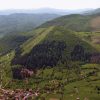
Researchers believe these buildings were created by some kind of alien race.

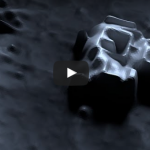
Researchers believe these buildings were created by some kind of alien race.
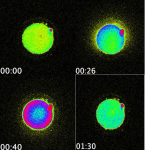
“To see the zinc radiate out in a burst from each human egg was breathtaking.”

“That was crazy,” added Penner, “because these things typically die in dramatic fashion after 5,000 or 6,000 or 7,000 cycles at most.”
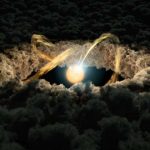
How scientists study the starlight from young, forming stars can tell us more about our universe.

Titanosaurs and other large dinosaurs could take care of themselves at a very young age back then.
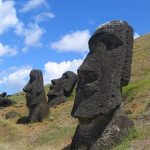
Here are four mysteriously vanished civilizations that keep scientists scratching their heads.
Makemake, the second brightest dwarf planet in the Kuiper belt, has a moon that will help NASA tell more about it.
ORNL researchers discovered that water in beryl displays some unique and unexpected characteristics.
It was emitting lots of different colors and was hovering in one spot.

The archaeologist from China smiled, pointed towards the sky and said; “Why do you think we are called the Dragon people?”